Understanding Cultural Barriers
Mental health awareness in Punjabi communities presents unique challenges that require careful consideration of cultural, linguistic, and social factors. For many Punjabi-speaking individuals in the UK, mental health remains a taboo subject, often shrouded in stigma and misunderstanding.
The traditional Punjabi community places great emphasis on family honor and social standing, which can sometimes prevent individuals from seeking help for mental health issues. This cultural context requires a sensitive approach that respects traditional values while promoting mental health awareness.
Language as a Bridge
One of the most significant barriers to mental health support in Punjabi communities is language. Many older community members may not be fluent in English, making it difficult for them to access mainstream mental health services. This is why our programs are offered in Punjabi, Urdu, and English.
Language is not just about communication; it's about cultural expression and emotional connection. When individuals can express their feelings and concerns in their native language, they often feel more understood and supported.
Community-Based Approaches
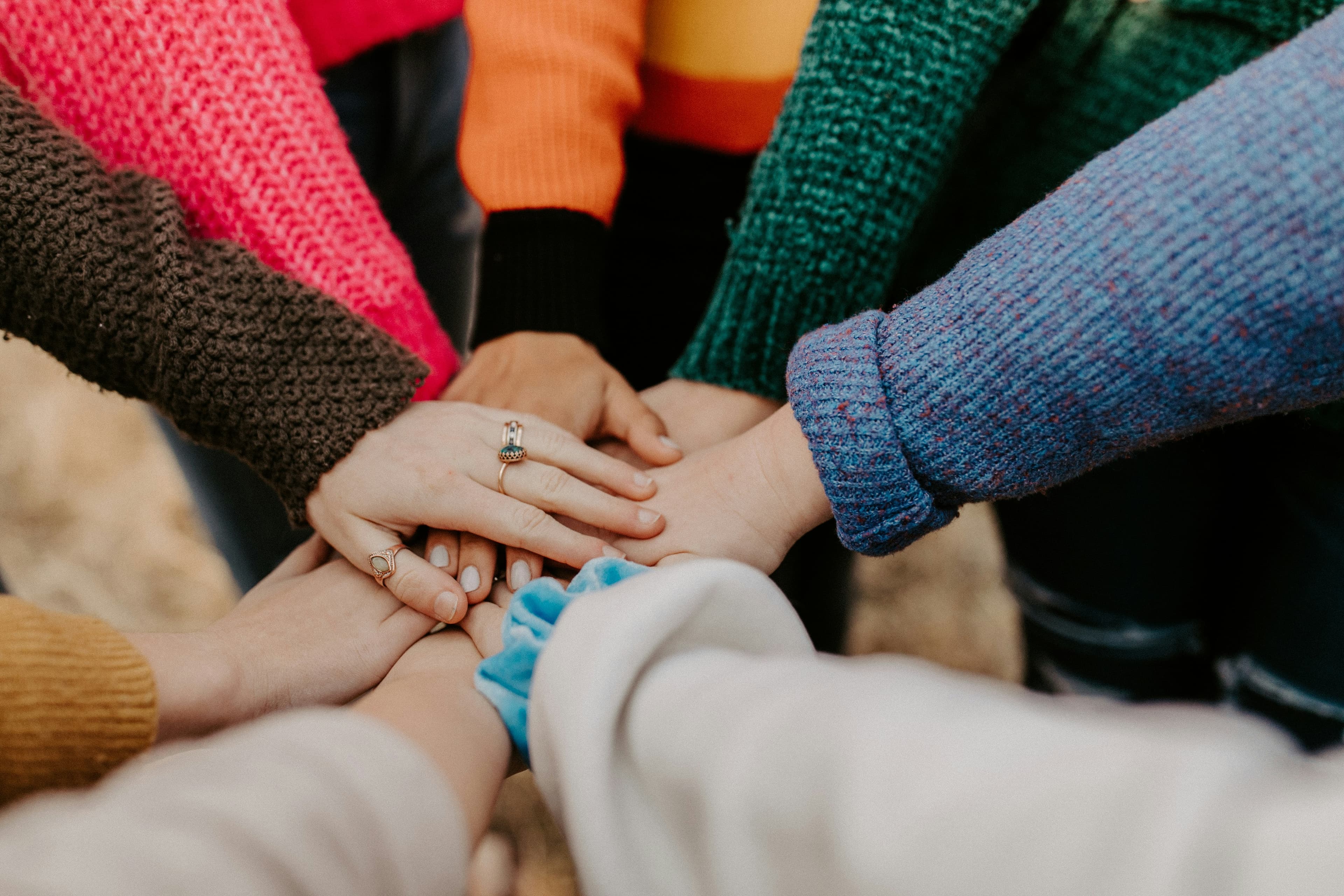
Our approach to mental health support in Punjabi communities is deeply rooted in community values. We understand that mental health is not just an individual concern but a family and community matter. This is why our programs often involve family members and community leaders.
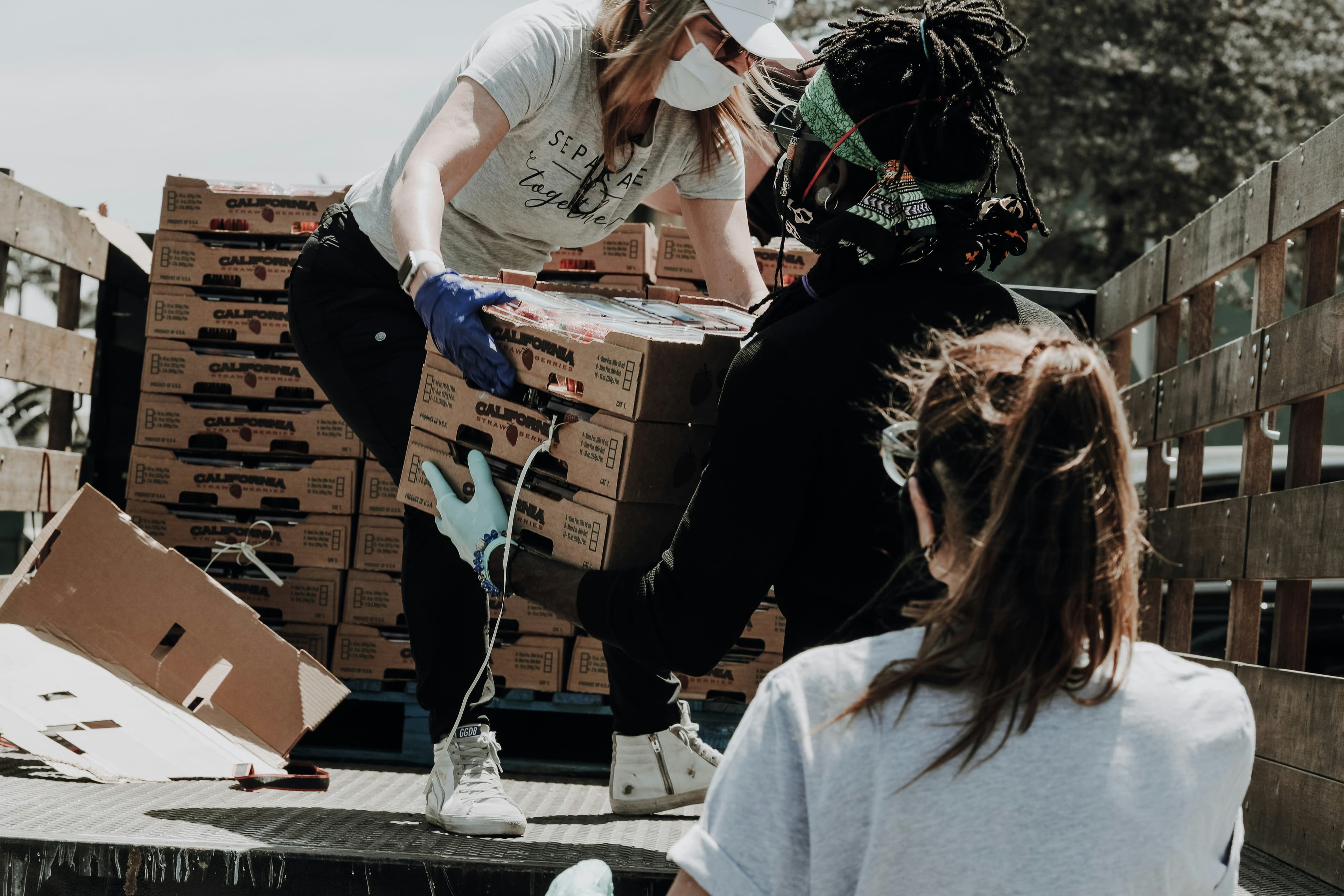
Through our weekly soup kitchen, community gatherings, and support groups, we create safe spaces where individuals can discuss mental health openly without fear of judgment or stigma.
Breaking Down Stigma
Stigma surrounding mental health in Punjabi communities often stems from misconceptions and lack of education. Many people believe that mental health issues are a sign of weakness or a result of personal failure. This couldn't be further from the truth.
Our Mental Health First Aid training programs specifically address these misconceptions, providing accurate information about mental health conditions and treatment options. We emphasize that seeking help is a sign of strength, not weakness.
Looking Forward
As we continue our work in Punjabi communities, we remain committed to breaking down barriers and building bridges. Mental health awareness is not just about providing services; it's about creating a culture of understanding, acceptance, and support.
Through education, community engagement, and culturally sensitive approaches, we believe that every individual in our community can access the mental health support they need and deserve.